Living with CPTSD and Neurodivergence Can Feel Like an Emotional Maze
Book A Free Consultation
You might find yourself overthinking every interaction. Or shutting down mid-conversation. Maybe you’re exhausted from masking—playing a role to appear “fine” when inside, everything feels too loud, too much, or just off.You might have heard phrases like “emotionally dysregulated” or “too sensitive,” when what was really happening was your nervous system doing its best to protect you.If you’re navigating the combined weight of complex trauma and neurodivergence, therapy can help you unlearn survival patterns, process your past, and reconnect with the parts of yourself that never had room to be.
CPTSD (Complex Post-Traumatic Stress Disorder) typically stems from prolonged exposure to trauma, often relational, subtle, or chronic rather than tied to a single event. This could include:

Laura Pearl, LCSW, specializes in supporting adults whose histories and neurotypes don't fit into neat diagnostic boxes. Her work is grounded in:
Gently guiding you back into your body—learning how to notice, name, and regulate sensations without getting overwhelmed.
EMDR (Eye Movement Desensitization and Reprocessing) helps reprocess memories and internalized beliefs so you can move beyond past survival strategies.
At the core of healing complex trauma is the experience of being felt. Laura builds safety slowly and relationally, honoring your pace and boundaries.
Laura won't pathologize your wiring. She offers tools, not corrections—whether that means stimming in session, using visual aids, or embracing nonlinear communication.
Especially helpful for those navigating dissociation, perfectionism, or shame rooted in cultural or family systems.

You don’t need a formal diagnosis to begin. Many of Laura’s clients come in simply knowing that things feel off. Signs may include:
Laura is more than a licensed trauma therapist. she’s also a queer, neurodivergent practitioner herself. She knows what it’s like to feel misread in clinical spaces and offers a different kind of experience:No performance. No rushing. No “just try harder” energy.With a PhD in cultural anthropology and extensive training in somatic and trauma-informed modalities, Laura brings both head and heart to the room. Her practice is a space where you can bring your stim toys, your scripts, your contradictions—and be met with curiosity, not correction.
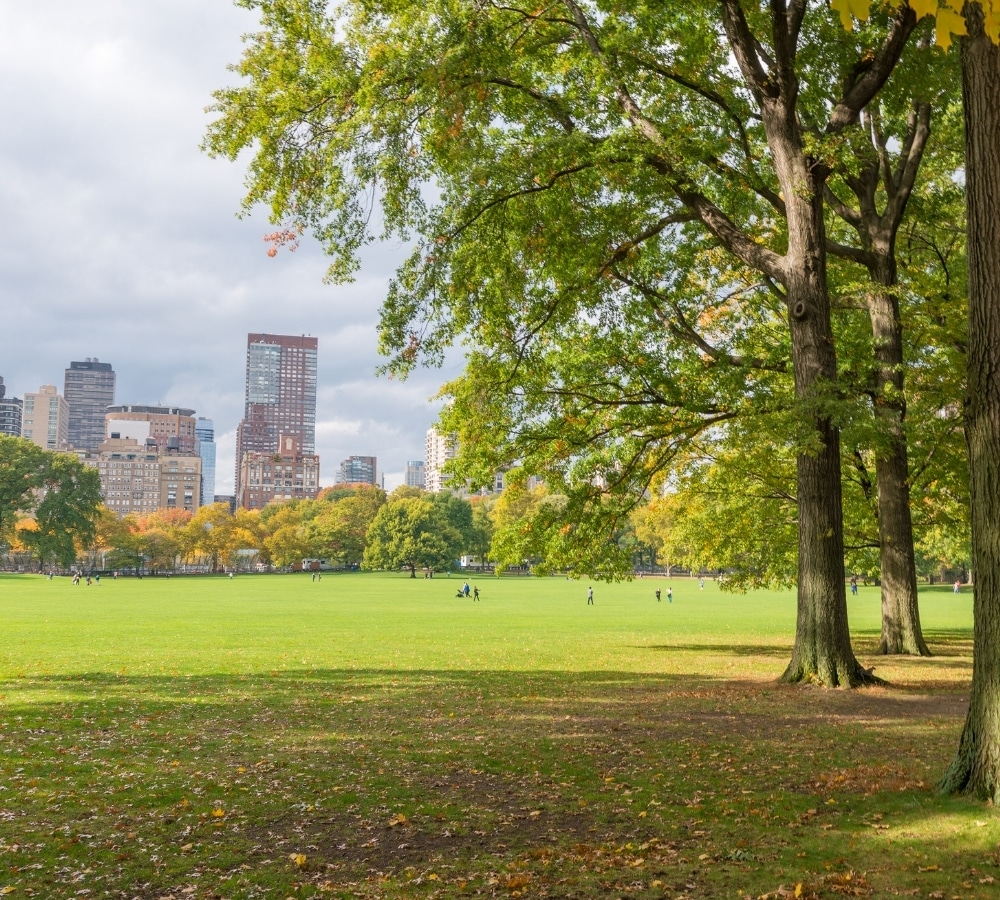
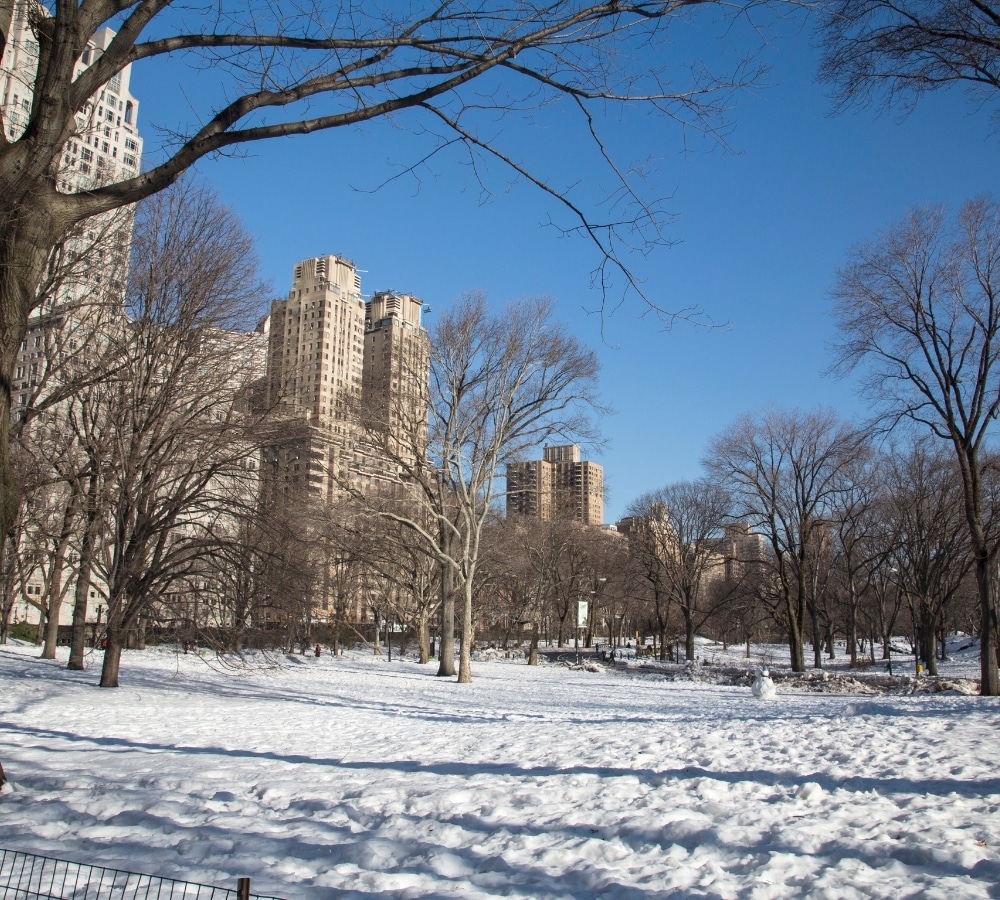
Laura offers weekly therapy for adults seeking support with CPTSD and neurodivergence in New York City. Her office is located in the Upper East Side, on the border of Carnegie Hill and Yorkville, and intentionally designed to feel calming and sensory-considerate.Virtual sessions are also available for residents across New York State.
Whether you're new to therapy or returning with a deeper intention, you deserve a space that honors your story and supports your healing without judgment or urgency.
Schedule a free 15-minute consultation. No pressure, no commitment. Just a conversation to begin.

No. Laura welcomes both formally diagnosed and self-identified neurodivergent clients. You know your experience best.
Yes. Laura’s approach goes beyond traditional talk therapy by engaging the body, memory, and relational patterns. Many clients come after “outgrowing” cognitive-based models.
Absolutely. Sessions are paced collaboratively, with room for regulation breaks, movement, or silence when needed.
Schedule a free 15-minute consultation to see if we're a good fit.
Book A Free Consultation