Living between Worlds can Feel Lonely, but you don’t Have to Carry it Alone
Book A Free Consultation
Whether you are an immigrant building a new life in the United States or a second-generation American navigating the in-between of cultures, identity, and belonging, therapy can be a space where your whole story is honored.For many immigrants, the journey involves leaving behind family, community, and a familiar way of life to face the challenges of resettling in a place that may feel both hopeful and overwhelming. For their children, born here or raised here, there is often the task of balancing two cultures at once: one inside the home and one outside.In both experiences, there can be a deep sense of pressure, isolation, or even guilt. Therapy offers a grounded place to untangle these feelings, reclaim your voice, and move toward living in a way that feels true to you.
Immigrating to the U.S. is often more than a physical relocation—it is an emotional, cultural, and intergenerational shift. Even when the choice feels empowering, it may also carry loss. Common struggles include:
These layers of stress can accumulate into anxiety, depression, or even trauma responses. Therapy can be a place to process grief, reconnect with resilience, and find a sense of belonging in your new environment.
Growing up in a household influenced by another culture while living in the U.S. often means walking a fine line between two (or more) worlds. Many second-generation Americans carry experiences such as:
Therapy offers a safe, nonjudgmental space to name these experiences and build a stronger sense of self—one that can hold the complexity of both cultures without losing authenticity.
Therapy is not about choosing one culture over another. It is about finding ways to hold both—and to live in a way that feels sustainable and true. Some possibilities in our work together may include:
As a relational and culturally sensitive therapist, I take time to understand your story in the context of where you come from, what you've lived through, and the roles you hold now. I have lived outside the United States for a total of 5+ years, so I share the lived experience of adapting to a foreign culture. It's essential that therapy respects the richness and complexity of cultural identity.
to regulate stress and trauma.
to work through family dynamics and relational wounds.
to honor both your cultural background and your personal voice.
to navigate day-to-day pressures of work, school, family, and community.
Together, we can create a space where you don't have to explain away your cultural experience—it is already understood as central to who you are.
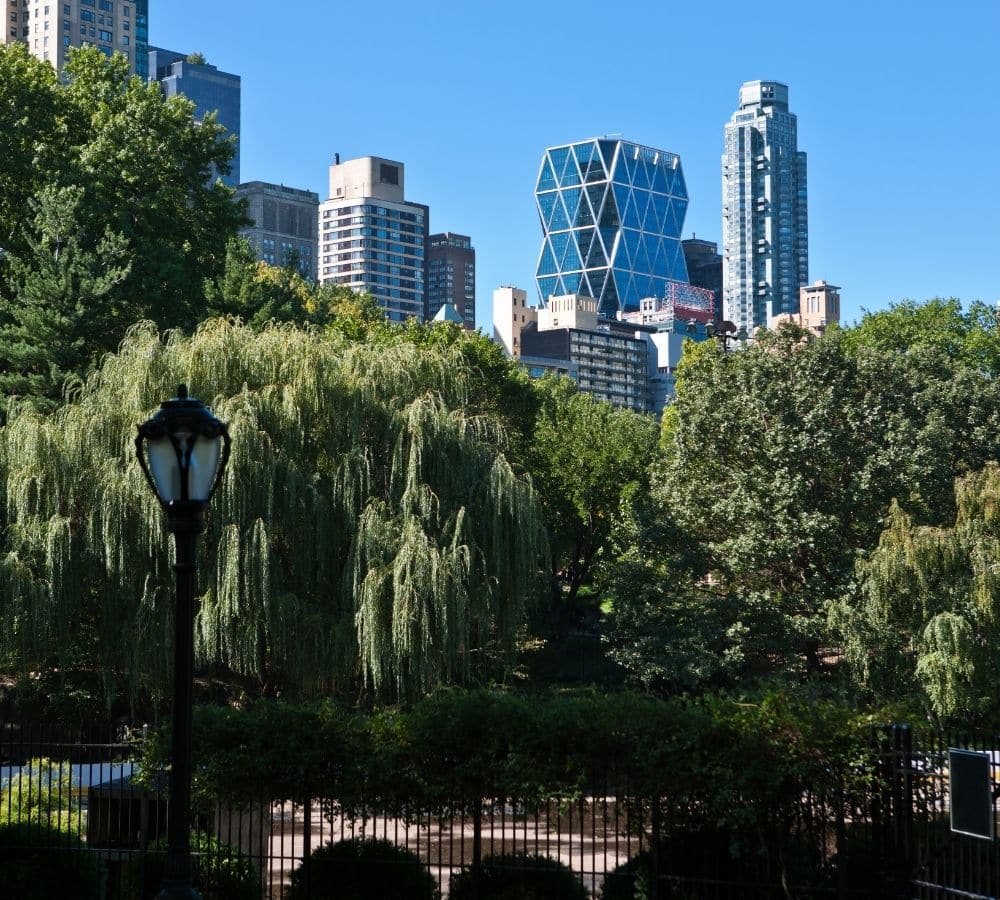
Living in New York City means living in one of the most diverse places in the world. And yet, many immigrants and first- or second-generation Americans still feel unseen or unheard in their struggles. Whether you’re in Manhattan, Brooklyn, Queens, or the wider New York metropolitan area, therapy can be a place where your experiences are not minimized, but respected and deeply understood.
Whether you're new to therapy or returning with a deeper intention, you deserve a space that honors your story and supports your healing without judgment or urgency.
Schedule a free 15-minute consultation. No pressure, no commitment. Just a conversation to begin.
Sessions are offered primarily in English, but we can explore together how language and expression show up in your experience. Therapy may involve processing how your native language shapes your identity and emotions. I have some facility in Arabic, French, Spanish and Turkish.
This is a common experience. Therapy can be a private space just for you, where you don’t need to justify why you’re here. You can bring in the weight of family expectations without fear of judgment.
If you feel caught between cultures, overwhelmed by expectations, or isolated in your experiences, therapy may help you reconnect with your strengths and build new ways of relating to yourself and others.
Schedule a free 15-minute consultation to see if we're a good fit.
Book A Free Consultation